Collier Row RM5 Moving Guide: Streets & Parking Tips
Moving in Collier Row can feel straightforward on paper and a bit more fiddly once you're actually there, boxes in hand and a van waiting at the kerb. That's especially true if you're trying to juggle narrower residential streets, on-street parking, neighbours coming and going, and the usual moving-day time pressure. This Collier Row RM5 Moving Guide: Streets & Parking Tips is here to help you plan sensibly, avoid the obvious snags, and make the whole thing feel much less chaotic.
Whether you're shifting a flat, a family home, or a small office setup, the same basics apply: know the street layout, think ahead about parking, and leave yourself a bit of breathing room. Truth be told, that extra 20 minutes of planning can save you a lot of back-and-forth later. Below, you'll find a practical guide to the area, the main moving risks, a step-by-step approach, and a few local-minded tips that are easy to miss when you're focused on the packing tape.
If you want a broader overview of moving support while you plan, you may also find our removals and man with van pages useful alongside this guide.
Table of Contents
- Why Collier Row RM5 Moving Guide: Streets & Parking Tips Matters
- How Collier Row RM5 Moving Guide: Streets & Parking Tips Works
- Key Benefits and Practical Advantages
- Who This Is For and When It Makes Sense
- Step-by-Step Guidance
- Expert Tips for Better Results
- Common Mistakes to Avoid
- Tools, Resources and Recommendations
- Law, Compliance, Standards, or Best Practice
- Options, Methods, or Comparison Table
- Case Study or Real-World Example
- Practical Checklist
- Conclusion
- Frequently Asked Questions
Why Collier Row RM5 Moving Guide: Streets & Parking Tips Matters
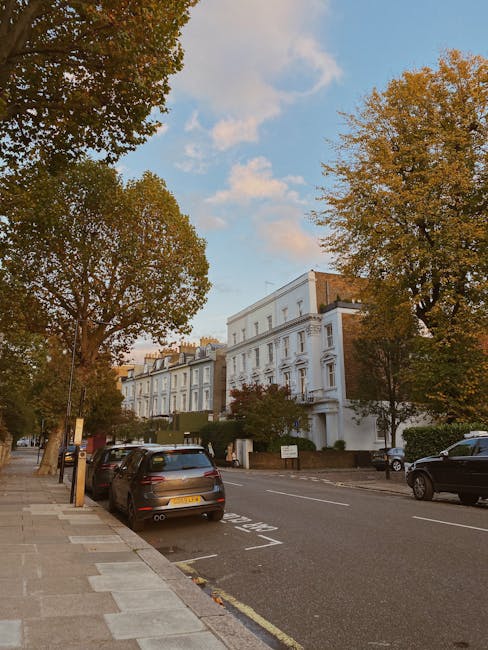
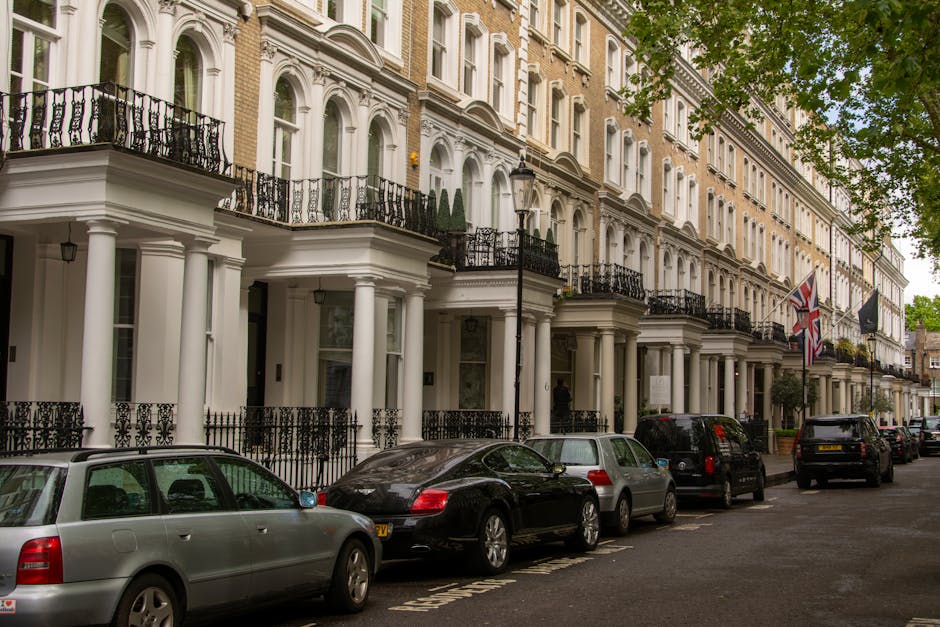
Moving day usually goes better when the boring bits have been handled in advance. In Collier Row, that means thinking about access before the van arrives. Streets in residential parts of RM5 can vary quite a bit: some are wide enough for a tidy loading bay setup, while others feel tight once two cars are parked opposite each other. Add pedestrians, school runs, delivery vehicles, and the usual "just five minutes" parking habits, and you've got a moving puzzle worth solving early.
Why does this matter so much? Because a move isn't just about carrying items from A to B. It's about keeping the route clear, protecting furniture, reducing delays, and avoiding stress that creeps in when everyone is looking at the clock. A van blocking a narrow road for too long can create friction with neighbours. A poor parking plan can mean longer carry distances. And longer carry distances mean more fatigue, more handling risk, and often more damage. Simple enough, really.
For local moves, the street outside your property can matter almost as much as the property itself. If you're in a terraced house, a maisonette, or a home with limited frontage, planning for parking and loading can make the difference between a calm morning and a messy one.
Expert summary: the smoother your access plan, the less time your move spends becoming a traffic problem. Good parking is not a small detail; it's part of the move itself.
How Collier Row RM5 Moving Guide: Streets & Parking Tips Works
The best way to approach a Collier Row move is to treat it like a small project with several moving parts. First comes the street check. Then comes the vehicle plan. Then the packing and loading order. If any one of those is off, the whole thing can wobble a bit. Not a disaster, just inconvenient - and on moving day, inconvenience is expensive in time and energy.
Here's the practical idea: you assess your property's road access, decide where a van can sit safely, consider how far items must be carried, and build the rest of the move around that. In some cases, a smaller vehicle or a shuttle arrangement makes more sense than forcing a larger van into a tight spot. In others, the easiest option is to park a little farther away and accept the extra carry, provided the route is clear and safe.
Collier Row's local feel matters here. Residential roads often have parked cars, bends, driveways, and narrow sections that can change how you load. The same move can feel easy at 9:00 in the morning and awkward by late afternoon if the street fills up. So the timing of the move is part of the parking plan too. A sensible schedule can reduce double-handling and keep things moving without drama.
If your move involves furniture dismantling or item protection, it can also help to pair the access plan with packing and unpacking services or a more tailored removal services approach. That way, the logistics and the handling style are aligned from the start.
Key Benefits and Practical Advantages
There's a very plain reason to spend time on street and parking planning: it makes the day easier. But there are also some less obvious advantages that people only notice once they've done a move both ways - once with planning, once without. The difference is a bit annoying, actually, because after you've seen it, you don't really want to go back.
- Less carrying distance: the closer the van can safely get, the less each item has to be moved by hand.
- Faster loading and unloading: a sensible parking position reduces stop-start movement.
- Lower damage risk: fewer awkward turns, fewer chances to bump walls, gates, or other vehicles.
- Better neighbour relations: a tidy, considered approach looks far more respectful.
- Reduced stress: yes, that counts. Moving is tiring enough already.
- More predictable timing: if you know the access constraints, you can plan the rest of the day around them.
Another practical advantage is decision clarity. Once you know the street conditions, it becomes easier to choose between a man-and-van style move, a larger removal vehicle, or a more full-service approach. That's where local planning supports the bigger picture, not just the kerbside logistics.
Who This Is For and When It Makes Sense
This guide is useful for anyone moving within Collier Row RM5, but it's especially helpful if your property sits on a residential street with limited parking or shared access. If you're in a flat, a terraced house, a converted building, or a home with a narrow frontage, this kind of planning quickly becomes non-negotiable. To be fair, even people moving from a larger home can get caught out if a van can't sit where they expected.
You'll also benefit from this guide if:
- you're moving at a busy time of day and expect some parked-car competition;
- you have bulky furniture, fragile items, or heavy appliances;
- you need a crew to work efficiently without long carry times;
- you're trying to keep costs down by avoiding delays;
- you're arranging a same-day move and need the route planned tightly;
- you've moved before and know parking was the bit that caused the wobble.
It also makes sense if you're comparing service styles. A smaller load may work neatly with a compact van, while a fuller household move may need a larger vehicle, more hands, or an early-start timetable. If you're not sure which way to go, the parking reality outside your property should influence the choice more than people expect.
And yes, this is one of those situations where a quick street check beforehand saves a lot of "we'll just see when we get there" thinking. That approach sounds flexible. It rarely is.
Step-by-Step Guidance
1) Check the street before moving day
Walk the road at roughly the same time you expect the van to arrive. Look at parked cars, tight corners, driveways, and anything that narrows the road. Ask yourself a simple question: where would a van actually sit without causing a nuisance or getting in the way? That one question does a lot of heavy lifting.
2) Measure the practical carry route
It's not just about the road. It's about the route from vehicle to front door, door to staircase, and staircase to room. Count steps, note turns, and look for low ceilings, narrow halls, or slippery surfaces. If you're carrying a wardrobe or sofa, a clean-looking route can still be awkward once you try to turn it. Happens all the time.
3) Decide what size vehicle is realistic
Some moves are better suited to a smaller vehicle parked close by. Others need a larger van but slightly more room. If your street is tight, don't over-optimise for vehicle size alone. The best setup is the one that balances access, loading speed, and safety.
4) Plan the loading order
Put the items you'll need first near the exit and the items that are hardest to carry in the order they'll be loaded. That sounds obvious, but on a real moving day it's very easy to start with the nearest box instead of the most logical one. Little things become bigger things when everyone is tired.
5) Keep a clear path at both ends
Doorways, hallways, and the pavement outside your property should all remain as clear as possible. A tidy route reduces accidents and keeps the move moving. If neighbours are passing, it also shows you're being considerate. That matters more than people admit.
6) Allow a time buffer
Parking and access problems tend to arrive in clusters. One delayed car move, one awkward item, one neighbour needing to get out, and suddenly the clock has skipped forward. Build in some slack. It's boring advice, but useful.
7) Reassess before the first heavy item moves
Once the van is in position, pause and check whether the plan still makes sense. Sometimes the street is busier than expected. Sometimes you spot a better loading angle. A quick rethink at the start can save several headaches later.
Expert Tips for Better Results
Here's the honest version: most moving problems are not dramatic disasters. They're small, avoidable annoyances stacked on top of each other. So the best tips are usually simple, just applied consistently.
- Prioritise the kerb position: being a few metres closer can save a surprising amount of effort.
- Use visual markers: if your move team is spread between house and van, clear communication matters. A quick hand signal beats shouting across the street.
- Protect corners and thresholds: the first and last three metres are where damage often happens.
- Load smart, not just fast: awkward items should be placed so they're stable, not just squeezed in.
- Check for school-run or commuter pressure: timing can be everything on local roads.
- Keep essentials separate: documents, keys, chargers, snacks, and basic tools should not disappear into the load.
One overlooked tip is to think about where the moving vehicle will need to exit. It's easy to focus on the arrival plan and forget the departure route. If a van has to reverse awkwardly or wait for a gap in traffic, that may create avoidable pressure near the end of the day. And let's face it, by then everyone is usually a bit done.
If you need a more flexible load plan, a man and van removals option may suit a smaller, more awkward move where access is tight but the load itself isn't massive.
Common Mistakes to Avoid
Most mistakes in Collier Row moves are preventable. They usually happen because people assume the street will "sort itself out" or because they underestimate how much parking affects the rest of the job.
- Assuming any van will fit: bigger is not always better for narrow residential access.
- Ignoring parking pressure at busy times: a quiet road in the morning can be a lot less quiet later.
- Not checking the carry route: the route between van and front door can be the real problem, not the road itself.
- Leaving boxes unlabelled: this slows unloading and causes unnecessary shuffling.
- Overfilling the van: cramming items in can make everything slower, not faster.
- Forgetting neighbour access: if cars need to move, make sure there is a plan for that.
- Leaving fragile items for "later": later is when people are tired and less careful.
Another mistake is assuming that a short move means a simple move. In local work, short distance doesn't automatically mean low complexity. Sometimes the shortest move is the most awkward because the parking is poor or the street is just tight enough to be irritating. Strange, but true.
Tools, Resources and Recommendations
You do not need a mountain of equipment to move well. But a few practical tools can make a big difference, especially when parking and street access are involved.
| Item | Why it helps | Best use |
|---|---|---|
| Furniture blankets | Protects edges and finishes during tight carries | Sofas, wardrobes, tables, appliances |
| Trolley or sack truck | Reduces strain and speeds heavier loads | Boxes, white goods, bulkier items |
| Straps or ties | Keeps items steady in transit | Any load with multiple furniture pieces |
| Labels and markers | Speeds sorting at destination | Boxes, room-specific items, fragile goods |
| Gloves and sturdy footwear | Improves grip and safety | All moving work, especially wet weather |
In our experience, the best "resource" is often a clear briefing. Tell the moving team what the street is like, where they can wait, and what obstacles they should expect. If you're booking a service, it can help to review pricing and quotes as part of your planning, because access complexity can affect the shape of the job.
It can also be worth reviewing practical business details such as insurance and safety and the company's health and safety policy if you want reassurance about handling standards. That doesn't make a move exciting, admittedly, but it does make it more trustworthy.
Law, Compliance, Standards, or Best Practice
When a move involves parking on a public road, it's sensible to follow local parking rules and common-sense loading behaviour. Exact restrictions can vary by location, street markings, and any local control measures, so it's always wise to check the situation on the day rather than assume. If there are yellow lines, driveway access issues, or timed restrictions, plan around them rather than trying to work around them after the van is already there.
Best practice also means keeping pavements, driveways, and access points as clear as possible for pedestrians and other vehicles. If your move needs temporary loading space, choose the safest and least disruptive option available. That's not just polite; it helps reduce the chance of conflict, delays, or avoidable damage.
For house moves, responsible handling of furniture, boxes, and heavy appliances should follow normal industry standards: protect surfaces, secure the load, and use sensible lifting technique. If something is too heavy or awkward to move safely, split it down, use equipment, or ask for more help. There's no trophy for trying to be heroic with a sofa.
If you're comparing providers, look for clear service information and straightforward terms. Pages like terms and conditions and about us can help you judge how transparent a company is before moving day arrives.
Options, Methods, or Comparison Table
There isn't one perfect way to move in Collier Row. The right method depends on the size of the load, the street, the parking situation, and how much help you want on the day. Here's a practical comparison.
| Option | Best for | Parking impact | Main advantage | Main drawback |
|---|---|---|---|---|
| Small van move | Few rooms, lighter loads, tight streets | Usually easier to position | Flexible in residential roads | May need more trips |
| Standard removal van | Typical house or flat move | Needs more planning | Good balance of capacity and efficiency | Can be harder to fit in narrow streets |
| Full removal service | Larger homes or complex moves | Requires the most coordination | Less stress for the customer | More moving parts to organise |
| Furniture-only pickup | Single items or a few bulky pieces | Usually light-touch planning | Quick and simple | Not ideal for full household moves |
If your access is especially tight, a smaller vehicle can often be the smarter choice. If the move volume is high, it may be better to use a larger van and plan the parking carefully rather than compromise too much on capacity. There's no point choosing a tiny vehicle if it causes several extra runs and stretches the day out.
Case Study or Real-World Example
Picture a standard local move: a family leaving a semi-detached property on a residential street in RM5. The house is fine. The issue is parking. Cars are already lined along one side of the road, and the turning space is limited. On the first look, the van could fit opposite the house, but only if a neighbour's car is moved and the loading order is organised properly.
Instead of arriving and improvising, the move is planned in two parts. The van is scheduled for a time when the street is quieter. The heavier furniture is placed nearest the front room. Smaller boxes are grouped by floor and room. A quick check confirms the safest loading point is slightly further from the front gate than hoped, but still manageable. The result? The team avoids blocking the road longer than necessary, and the household gets moved out with far less backtracking.
Now imagine the same move without that planning. The van arrives during a busy spell. A delivery vehicle appears. The load is shuffled twice. Someone has to wait. A sofa gets turned three times because the route wasn't measured. Nothing catastrophic happens, but the day feels longer, noisier, and more tiring. That, more than anything, is why planning pays off.
Small detail, big difference.
Practical Checklist
Use this checklist the day before and again on the morning of the move. It keeps things grounded when the pace starts picking up.
- Confirm the moving time and expected vehicle size.
- Walk the street and check parking options.
- Make sure there is a clear loading point.
- Measure any narrow doors, hallways, or stair turns.
- Set aside fragile items and essentials separately.
- Label boxes by room and priority.
- Protect floors, corners, and furniture edges.
- Keep access routes free of clutter inside and outside.
- Notify neighbours if parking or access may be temporarily affected.
- Have a backup plan if the preferred parking space is taken.
- Keep keys, documents, phone chargers, and water easy to reach.
- Double-check that the van can leave safely at the end.
If you want a simple rule of thumb, here it is: if the route feels awkward during the dry run, it will feel more awkward on the day. So fix it early if you can.
Conclusion
A good move in Collier Row RM5 starts long before the van turns up. Streets, parking, loading access, and timing all shape how smooth the day feels. If you take the time to assess the road, match the vehicle to the space, and plan the carry route properly, you give yourself a much better chance of a calm, efficient move. And honestly, that calm is worth a lot.
The main thing to remember is this: the best moving plan is the one that fits the street in front of you, not just the boxes in your house. Keep it practical, keep it tidy, and leave a little breathing room. Things always go a bit better when the plan is realistic.
Get a free quote today and see how much you can save.
When the van is parked well and the path is clear, moving day stops feeling like a scramble and starts feeling manageable. That's the goal, really - not perfection, just a move that gets done properly and lets you breathe again at the other end.
Frequently Asked Questions
What should I check first before moving in Collier Row RM5?
Start with the street outside your property. Look at parking availability, road width, parked cars, and the route from the van to the front door. That gives you the clearest picture of whether the move needs a small van, a larger van, or a more careful loading plan.
Is Collier Row suitable for larger moving vans?
Sometimes yes, sometimes not without planning. It depends on the exact street, the number of parked cars, and how easy it is to stop safely near the property. A larger van can work well on some roads, but on tighter residential streets a smaller vehicle may be the more practical choice.
How do I know if parking will be a problem on moving day?
The simplest way is to walk the street at the time you expect to move. If the road is usually busy with parked cars or passing traffic, assume parking will need extra thought. If in doubt, plan for a less ideal space and shorter carry distances only where they're genuinely safe.
Should I book a smaller van if the street is narrow?
Often that makes sense, especially for lighter loads or shorter local moves. A smaller van can reduce parking pressure and make loading easier. But if the property volume is large, you may be better off using a bigger van with a more careful parking plan. It's a balancing act.
What if my preferred loading space is taken when the van arrives?
Have a backup spot in mind before moving day. In busy residential areas, you can't always rely on the first choice being free. A second option nearby, even if slightly less convenient, can stop the whole schedule from slipping.
Do I need to tell neighbours about the move?
It's not always essential, but it is considerate, especially if parking or access could be affected. A quick heads-up can prevent confusion, reduce frustration, and make it easier if a car needs to be moved. A little courtesy goes a long way.
What are the biggest mistakes people make with parking?
The biggest ones are assuming a van will fit anywhere, not checking the street at the right time, and forgetting that loading and unloading take longer when the van is parked further away. Those small oversights can create a surprisingly stressful day.
How do I reduce the risk of damaging furniture on a tight street?
Use protective covers, keep corners padded, and make sure the carry path is clear before the first item moves. Tight streets often mean tighter turns, so the more stable and organised the load is, the safer it will be. Simple, but effective.
Is a full removal service better than a man and van move for local streets?
Not always. A full removal service can be ideal for larger or more complex moves, but for smaller loads or awkward access, a man and van setup may be more flexible. The best choice depends on the amount of furniture, the street access, and how much help you want.
What should I prepare the night before moving?
Set aside essentials, label boxes, clear hallways, check parking plans, and make sure the route from house to van is workable. If you've got a few minutes left, confirm your vehicle size and loading order. That small bit of preparation can make the morning much calmer.
Can I move at any time of day in RM5?
In practice, timing matters a lot. Morning can be easier in some streets, while later in the day may mean more parked cars and more local activity. The best time is usually the one that gives you the clearest access and least disruption.
Where can I find help with a local move or quote?
You can explore the company's move-related pages, including home moves, removal company, and removals near me, to compare the options that fit your situation. If you want to talk through the practical side, the contact us page is there too.