Collier Row Council Waste Rules: Fines & Disposal Guide
Posted on 04/07/2026
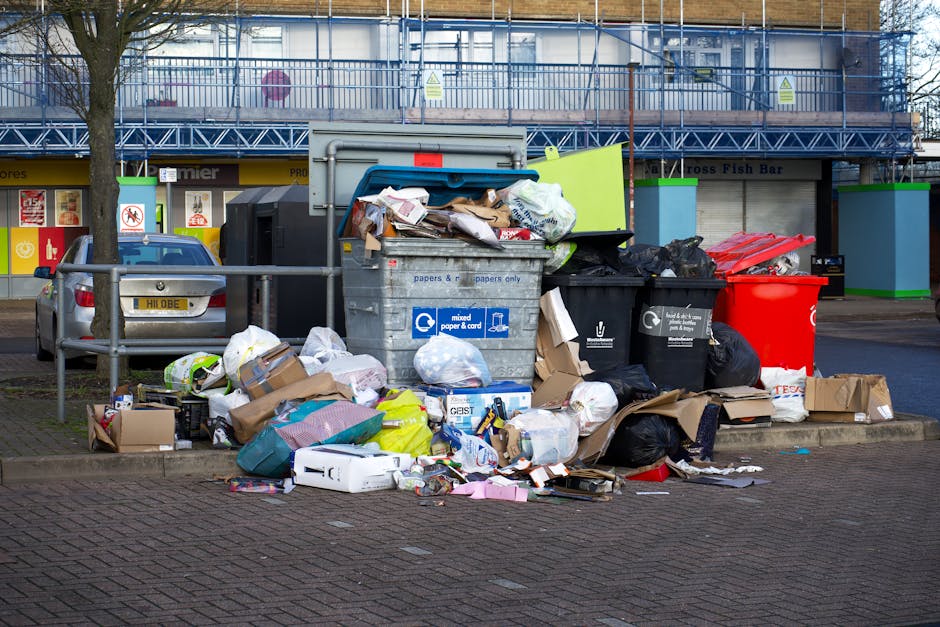
Collier Row Council Waste Rules: Fines & Disposal Guide
If you live in Collier Row and you are trying to get rid of old furniture, DIY rubble, black bags, or that awkward pile of moving leftovers, the rules can feel a bit annoying at first. That's normal. The good news is that once you understand Collier Row Council Waste Rules: Fines & Disposal Guide, the whole process becomes far simpler - and you massively reduce the risk of getting hit with avoidable fines, complaints, or a failed collection. Whether you are clearing a flat, moving house, or just trying to stay on the right side of local waste rules, this guide gives you the practical version, not the fluffy version.
You will find what counts as controlled waste, how council disposal usually works in Havering-style local settings, where people commonly go wrong, and how to choose the safest disposal route for bulky or mixed items. And yes, we will talk about fines too, because let's face it, nobody wants an expensive surprise for putting the wrong thing out on the wrong day.
Why Collier Row Council Waste Rules Matter
Waste rules sound boring until you get the wrong item rejected, receive a warning, or find that a neighbour has reported fly-tipping on your street. Then they become very interesting, very quickly. In Collier Row, the practical issue is not just "how do I get rid of this?" It is "how do I do it safely, legally, and without creating hassle for myself or anyone else?"
That matters for three reasons. First, local authorities expect waste to be presented correctly. Second, mixed or wrongly sorted waste is much more likely to be refused. Third, if waste is left in a public place, dumped at the wrong time, or handed to an unlicensed carrier, the person who arranged it can still end up dealing with the consequences. That can mean charges, clean-up costs, or penalties. Nobody needs that on top of moving day chaos.
There is also a broader local benefit. When residents in Collier Row dispose properly, collections run more smoothly, pavements stay clearer, and bulky waste is less likely to become a nuisance. It is one of those unglamorous things that genuinely makes the area easier to live in. Simple, but true.
Practical takeaway: if your waste is bulky, mixed, electrical, or potentially hazardous, treat it as a planning task rather than a last-minute bin-night decision. That one change prevents most problems.
How Collier Row Council Waste Rules: Fines & Disposal Guide Works
Most local waste systems follow a similar pattern, even if the details vary slightly by street, property type, or collection service. In plain English, here is how it tends to work in a Collier Row context.
1. Household waste must be presented correctly
General household waste usually needs to go into the correct bin or sack, on the correct collection day, with lids closed and no loose spillages. If your rubbish is overflowing, contaminated, or placed out early, it becomes harder to collect and easier to reject.
2. Recycling needs sorting discipline
Recycling is where many people slip up. Cardboard with grease stains, food-contaminated packaging, and mixed material items can all cause trouble. If in doubt, separate rather than bundle. A neat, sorted pile is far easier to manage than a mystery heap of "bits and bobs."
3. Bulky waste is usually handled separately
Items like wardrobes, sofas, mattresses, washing machines, and tables normally do not belong in regular household bins. They often need a special collection, a visit to a reuse or recycling facility, or help from a licensed waste carrier. If you are moving out, this is often where a lot of the decision-making happens.
4. Fly-tipping and improper dumping are treated seriously
Leaving bags beside a street bin, abandoning furniture outside a flat, or dumping waste in a communal area can trigger enforcement action. The exact response depends on circumstances, but the risk is real. In practice, councils and enforcement teams look for patterns: repeat offenders, obvious negligence, unsafe placement, or waste that was dumped rather than responsibly disposed of.
5. Fines are usually about behaviour, not just the item itself
The item you threw away matters, but so does how you disposed of it. A sofa left on a pavement is a different issue from a sofa booked for collection or taken to an appropriate facility. The same object, very different outcome. That's the bit people miss.
If you are dealing with a move, a quick clear-out, or a stubborn pile of waste after redecorating, it often helps to think in categories: general waste, recycling, bulky waste, electricals, hazardous items, and reusable items. Once you do that, the rules start making more sense. And yes, it is a little tedious the first time around. After that, it becomes muscle memory.
Key Benefits and Practical Advantages
Following the rules is not just about avoiding trouble. There are some very real practical gains too.
- Lower risk of fines or complaints: Correct disposal means fewer enforcement issues and fewer awkward conversations with neighbours or landlords.
- Cleaner move-out: When waste is managed properly, the property feels less frantic on the final day. That last sweep is calmer, not chaotic.
- Better recycling outcomes: More of your unwanted items can be reused, repaired, or processed properly when they are separated early.
- Less physical strain: If bulky waste is planned in advance, you are less likely to end up dragging a heavy item down stairs at 9pm, which is rarely a great idea.
- Improved timing: Knowing your disposal options helps you fit waste removal around a move, tenancy deadline, or property clearance.
For many people in Collier Row, the biggest hidden benefit is peace of mind. You know where the waste is going, who is handling it, and what happens next. That certainty is worth a lot when the rest of the move is already noisy enough in your head.
One client-style scenario comes up again and again: a family sorts everything the night before moving, then realises the mattress, broken chair, and old freezer do not fit in the usual bin setup. If they have planned properly, the waste leaves in a controlled way. If they have not, it becomes a scramble. Same items, very different day.
Who This Is For and When It Makes Sense
This guide is useful for anyone in or around Collier Row who wants to dispose of waste without drama, but some people need it more urgently than others.
- Home movers: especially if you are clearing unwanted furniture, packaging, broken appliances, or garden waste.
- Tenants and landlords: because end-of-tenancy waste can turn into a compliance issue very quickly.
- Students: when shared homes produce a surprising amount of clutter after exams or move-out day.
- Office movers: old chairs, desks, printers, cables, and archive waste can pile up fast.
- People doing home improvements: DIY waste often includes mixed materials that need special handling.
- Anyone clearing inherited or long-stored items: this is where the "I'll deal with it later" box suddenly becomes eight boxes.
It makes sense whenever the waste is too large, too mixed, too awkward, or too time-sensitive for ordinary bins. It also makes sense if you are already booking a removal vehicle and want to avoid paying twice for the same trip. In that case, linking waste planning with a move is just sensible. If you are organising the rest of your move too, the guide on how to keep a house move calm and organised is a useful companion read.
Truth be told, a lot of people only start thinking about waste rules when they are standing in a hallway with an old sofa and no obvious plan. Better to think about it earlier. Much better.
Step-by-Step Guidance
Here is the simplest way to handle waste disposal in Collier Row without making it harder than it needs to be.
- Sort everything into clear categories. Make separate piles for general waste, recycling, reusable items, bulky waste, electrical items, and anything hazardous or uncertain.
- Check what can go in your normal bins. Only keep items in household bins if they genuinely fit the local collection rules and are clean enough for collection. Overfilling is a common trigger for rejection.
- Identify bulky or specialist items. Sofas, beds, mattresses, wardrobes, large appliances, and some office furniture usually need a different route. If you are disposing of furniture during a move, a route that supports furniture removal in Collier Row can be far easier than trying to improvise.
- Decide whether items can be reused. If something still works, donate, sell, or pass it on where appropriate. It is not just greener; it can also reduce your load.
- Book the right disposal method. This might mean a council collection, a recycling trip, or help from a licensed waste carrier. The best option depends on size, timing, and material type.
- Prepare items properly. Empty drawers, remove detachable parts, bag loose waste, and tape sharp edges where needed. A tidy item is much safer to move.
- Keep evidence of what you arranged. If someone else is collecting waste on your behalf, keep the booking details and any receipts. It is just common sense, really.
A good rule of thumb is this: if an item feels awkward to lift, awkward to sort, or awkward to explain, it probably needs proper planning. And if it is an old piano, that is not a DIY moment. For that sort of thing, the article on piano removals in Collier Row explains why specialist handling matters.
Expert Tips for Better Results
These are the sort of details people often learn after one too many near-misses.
- Start with the awkward items first. The sofa, the broken chest of drawers, the freezer, the mattress. Clear the big headaches early, while you still have energy.
- Do not mix clean recyclables with general rubbish. One contaminated bag can ruin a whole batch. It happens more often than you think.
- Use the moving process as a decluttering filter. If you haven't used it in a year and you do not want to pay to move it, maybe it should go. That sounds blunt, but it helps.
- Be realistic about lifting. Heavy items look smaller at 8am than they do when you are halfway down the stairs. Funny how that works.
- Check deadlines early. End-of-tenancy dates, move dates, and collection dates do not always line up neatly.
- Keep walkways clear. You do not want waste stacking up in hallways where someone can trip over it. Safety first, then speed.
If you are dealing with bulky furniture and packing at the same time, it helps to think like a mover for a day. The guide on how to organise your packing list for moving day pairs nicely with this because it keeps disposal and packing from stepping on each other's toes.
Small human note: the most common mistake I see is not the item itself. It is the timing. People leave all disposal decisions until the night before. At that point, every decision feels heavier. Literally and mentally.

Common Mistakes to Avoid
Most waste problems are not dramatic. They are just a series of small, avoidable slips. Here are the usual suspects.
- Putting out waste too early: this can create clutter, attract complaints, and may be treated as improper presentation.
- Leaving items in communal spaces: shared hallways, bin stores, and pavements are not storage areas. Not even for "just a bit."
- Ignoring item type: electricals, batteries, chemicals, paint, and sharp materials often need special handling.
- Assuming someone else will collect it: if you have not arranged it, do not assume it will magically disappear.
- Using an unknown waste collector: if a carrier is not properly set up, the risk can come back to you. That is the messy end of it.
- Forgetting about furniture condition: damaged sofas, stained mattresses, and broken cupboards are often not suitable for casual disposal routes.
Another subtle mistake is underestimating volume. A few bags beside a bed can look manageable. Then you step back and realise the hallway is starting to resemble a storage unit with bad lighting. Happens all the time.
Tools, Resources and Recommendations
You do not need specialist equipment to follow waste rules well, but a few practical tools make life easier.
- Heavy-duty bin bags: useful for sorted general waste, but do not overload them.
- Marker pens and labels: label boxes or bags as recycling, rubbish, reuse, or fragile. Simple and effective.
- Gloves: especially for garden waste, broken materials, and dusty loft clearances.
- Dust sheets or old blankets: handy for protecting hallways and stairwells while moving waste out.
- Tape and cable ties: good for securing loose parts on furniture or appliances.
- Measuring tape: if you are deciding whether an item fits through a doorway or into a vehicle, measure first. Guessing is a gamble, and not a great one.
As for recommendations, combine waste disposal with any wider move or clearance plan. If you are also comparing moving support, this guide to comparing removal quotes in Collier Row can help you see what is included and what is not. For people handling a full move, that distinction matters more than the headline price.
If your waste is part of a last-minute move, same-day help can sometimes be the most sensible route. The article on urgent same-day removals in Collier Row is worth a look if your timeline is tight.
Law, Compliance, Standards, or Best Practice
Without drifting into legal jargon, there are a few important principles to keep in mind. In the UK, you are generally expected to dispose of waste responsibly and to make reasonable checks that anyone removing waste on your behalf is legitimate. If you pass waste to the wrong person, or if waste is left where it should not be, enforcement can follow.
Best practice usually means four things:
- Use approved or legitimate disposal routes.
- Sort waste correctly before collection or drop-off.
- Keep access routes safe and clear.
- Retain records for paid waste services where sensible.
Hazardous or specialist waste needs extra caution. That includes paints, solvents, cleaning chemicals, oils, gas canisters, batteries, and some electrical items. If you are unsure, treat it as specialist until you know otherwise. That small pause is usually enough to stop a bigger problem later.
From a safety point of view, reputable moving and disposal providers should also have sensible handling practices, suitable loading methods, and clear communication around what they can and cannot take. You can get a feel for that standard through pages like insurance and safety and health and safety policy, which help explain the expectations around careful handling and safe working.
One more thing: if your property is leasehold or shared, your building rules may add another layer. Communal areas, bin stores, and access hours can matter just as much as council collection rules. A bit dull, yes, but it keeps disputes down.
Options, Methods, or Comparison Table
Here is a simple comparison of common ways people dispose of waste in and around Collier Row.
| Method | Best for | Pros | Watch-outs |
|---|---|---|---|
| Regular household bins | Small, routine household waste | Easy, familiar, low effort | Space limits, contamination, collection-day timing |
| Recycling streams | Clean cardboard, packaging, some bottles, cans, and similar items | Environmentally better, reduces landfill waste | Must be sorted properly; dirty items can be rejected |
| Bulky waste collection | Sofas, beds, wardrobes, mattresses, large furniture | Convenient for large items | Booking rules, access issues, item restrictions |
| Licensed waste carrier or removal support | Mixed loads, move-day clearances, heavy items | Flexible, faster for complex jobs | Choose carefully and check what is included |
| Reuse or donation route | Items still in usable condition | Good for waste reduction and value recovery | Not suitable for damaged, dirty, or unsafe items |
In practical terms, the best method is often a mix. A move-out might involve recycling boxes, donating a chair, disposing of a mattress, and removing a broken freezer. One route rarely fits all. That is just the reality of it.
Case Study or Real-World Example
Imagine a small two-bedroom flat in Collier Row at the end of a tenancy. There is a worn sofa, two mattresses, a dismantled desk, several bags of general rubbish, and a pile of cardboard from new furniture. The tenants want the property empty by Friday afternoon, and the stairwell is narrow enough to make everyone slightly nervous.
Here is how a sensible plan would look:
- The cardboard is flattened and separated for recycling.
- General waste is bagged and kept to the correct size and quantity.
- The sofa and mattresses are treated as bulky items, not normal rubbish.
- The desk is dismantled so it can be carried safely.
- Any small reusable items are set aside rather than dumped by default.
- The final collection or removal is booked before the deadline, not after the deadline.
That kind of planning changes the whole day. Instead of scrambling with a corridor full of awkward shapes, you get a predictable sequence. The flat is cleared more cleanly, the risk of damage drops, and the people involved are far less stressed. Which, to be fair, is half the battle.
If the load is particularly heavy, it is worth thinking about proper lifting technique and help. The guide on lifting heavy items without assistance is a useful reminder that brute force is not a plan. Neither is back pain.

Practical Checklist
Use this before collection day, move day, or a waste drop-off.
- Sort waste into general, recycling, reusable, bulky, electrical, and hazardous categories.
- Flatten cardboard and remove food-contaminated packaging.
- Empty furniture, drawers, and appliances where appropriate.
- Measure large items if you need to move them through narrow access points.
- Book any bulky or specialist disposal in advance.
- Keep walkways and shared areas clear.
- Store sharp, heavy, or fragile items safely until collection.
- Keep confirmation details for any paid waste service.
- Check whether anything can be reused or donated before disposal.
- Do a final sweep of the property, garden, loft, and shed.
Quick rule: if you would hesitate to put it in a normal bin, it probably deserves a separate disposal plan.
If your move is also driving a bigger declutter, the article on decluttering ideas for your next move gives a useful mindset shift: clear less, move less, pay less. That part is satisfying, honestly.
Get a free quote today and see how much you can save.
Conclusion
Collier Row Council Waste Rules are not there to make your life awkward; they are there to keep waste moving through the system safely and properly. Once you break the process into categories and plan ahead, the whole thing becomes a lot less stressful. The key is simple: sort early, avoid guesswork, and choose the disposal method that fits the item, not the other way round.
That is how you reduce the chance of fines, avoid messy last-minute problems, and make your move or clear-out feel more controlled. And if you are doing this as part of a bigger relocation, it is well worth lining up disposal, packing, and transport together rather than treating them as separate headaches. Small bit of organisation, big difference.
Do it once, do it properly, and the rest gets easier. That's the lovely part, really.