Moving From Collier Row Road? Narrow Street Load-In Tips
Posted on 07/05/2026
Moving out of a busy residential road can look simple on a map and turn into a juggling act on the pavement. If you are moving from Collier Row Road, the big challenge is often not the house itself, but the street outside it: limited parking, tight turning space, neighbours' vehicles, and a loading window that seems shorter than your tea break. The good news is that a narrow street move can still run smoothly with the right planning, the right order of operations, and a few practical safeguards.
This guide brings together proven narrow street load-in tips, local moving know-how, and real-world planning advice so you can keep the process calm, efficient, and safe. Whether you are moving a flat, a family home, or just a few bulky items, the aim is the same: get everything out without blocking the road, damaging property, or wasting time shifting vans back and forth.
For broader preparation, it can also help to read packing strategies for a less stressful move, decluttering advice that clears the path, and house-moving guidance that keeps the day under control.
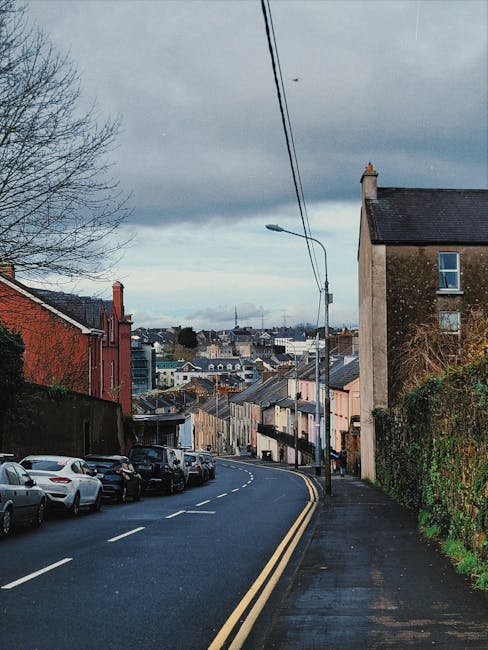
Why Moving From Collier Row Road? Narrow Street Load-In Tips Matters
Street width changes everything on moving day. On a quiet, wide road, a van can often park close to the property, doors can open fully, and loaders can move in a straight line. On a narrower road, every metre matters. If the van sits too far away, you add time. If it sits too close to a junction, you risk obstructing traffic. If the route from front door to van is cluttered, you increase the chance of knocks, scuffs, and avoidable strain.
This is why narrow street planning is not a minor detail. It is the difference between a move that feels organised and one that turns into a series of micro-delays. You also need to consider local reality: delivery vans, school run traffic, neighbours returning home, and whether you will need to temporarily hold space for loading. A few extra minutes of planning can save a lot of stress.
The same principle applies to the contents of the property. Bulky items such as sofas, mattresses, wardrobes, pianos, and white goods demand more than "just carry it out carefully". They need route checks, door measurements, and often a loading sequence that prevents bottlenecks. If you are moving furniture, you may find our page on furniture removals support useful for understanding how larger items are handled in practice.
One more reason it matters: a narrow street move is often where reputational friction happens. Neighbours may not mind a brief loading period, but they will notice blocked driveways, long engine idling, or bins left in the way. Smooth load-in planning is as much about courtesy as efficiency.
How Moving From Collier Row Road? Narrow Street Load-In Tips Works
Think of the move as three linked stages: prepare the access, load in the right order, and keep the route clear. The best results come when these stages are planned before moving day rather than improvised on the pavement.
1. Assess the street and the exact loading point
Start by checking where the van can safely stop. Look at the road width, parked vehicles, any bends, and the distance to your front door or communal entrance. A van may technically fit, but still be awkward if the doors need extra swing space or if the pavement is crowded.
2. Match the vehicle to the access
Not every move needs the biggest van available. In a narrow street, a more manageable removal vehicle can sometimes be easier to position than a larger one. If you are weighing up size versus access, a tailored service such as a man with a van option or a dedicated removal van may be more practical than trying to force a big vehicle into a tight gap.
3. Create a short, safe carrying route
The best narrow street moves use the shortest sensible route, not the most obvious one. That might mean carrying boxes out through a side gate, using a shared entrance more carefully, or parking closer to the rear of a property if access allows. Keep the route free of flowerpots, loose mats, bikes, and anything that can cause a trip.
4. Load by sequence, not by habit
Put the heaviest, most awkward items in first only if that suits the route and the van layout. Sometimes the better approach is to load lighter items first so the awkward pieces can be positioned cleanly without constant reshuffling. The right sequence depends on what you are moving, whether there is lift access, and how long the load-in route is.
5. Communicate clearly with everyone involved
If there are two people carrying, one should call the pace. If there is a larger team, make sure everyone understands which items are priority, where boxes are going, and who is responsible for doors, lift buttons, and traffic awareness. The quietest moving day is usually the one where nobody is guessing.
Key Benefits and Practical Advantages
Good narrow street planning does more than prevent headaches. It gives you control over the day, which matters more than most people realise until the first box is on the curb.
- Less risk of damage: shorter, clearer routes reduce bumps, scrapes, and accidental knocks against brickwork or railings.
- Faster load-in: less backtracking means fewer wasted steps and less time holding a space on the road.
- Better neighbour relations: a tidy, efficient setup looks considered rather than disruptive.
- Lower physical strain: well-planned lifting and carrying reduces awkward twisting and carrying distance.
- Cleaner vehicle loading: organised staging means items enter the van in a sensible order, not in a panic.
There is also a confidence benefit. When the loading point is sorted, the whole move feels less improvisational. That calm energy spreads through the rest of the day. You will notice it in the pace, the tone of the team, and even in the way the final sweep of the property goes.
If you are aiming for a fully organised home move, the broader preparation advice in stress-free packing and decluttering before the move can make the narrow-street stage much easier to manage.
Who This Is For and When It Makes Sense
This approach makes sense for anyone moving from a property where road access is limited or slightly awkward. That includes terrace houses, maisonettes, flats with shared entrances, homes near corners or bends, and properties where parking is at a premium.
It is especially useful if you are:
- moving from a busy residential road with on-street parking pressure
- handling large or fragile items that need careful carrying
- working to a limited time window for loading or key handover
- moving with children, pets, or vulnerable items that need controlled staging
- arranging a small-scale move where efficiency matters more than brute force
This is also a sensible plan if you are moving at short notice. A same-day move can still be handled well, but only if access is taken seriously from the start. In that situation, a service such as same-day removals may be useful when timing is tight and the loading point needs a flexible approach.
For students, downsizers, and flat movers, the details are slightly different, but the principle stays the same: make the street work for you rather than against you. If you are moving from a smaller home, flat removals support is often the right fit.
Step-by-Step Guidance
Here is a practical way to handle a narrow street load-in without overcomplicating the day.
- Check access the day before. Walk from front door to van position and note anything that could slow you down: parked cars, overhanging branches, low walls, tight turns, and steep kerbs.
- Reserve or protect loading space if appropriate. Where legal and practical, arrange enough room for the van to stop safely. Do not assume a gap will be there on the day.
- Prepare the property exit. Clear hallways, doors, and steps. Put mats away, open internal doors, and keep keys, phones, and paperwork in one place.
- Stage items near the exit. Place boxes and wrapped furniture in a clean holding area so the final carry is direct.
- Separate fragile and heavy items. Keep anything delicate, bulky, or awkward clearly identified so it gets handled in the correct order.
- Agree the load sequence. Decide what enters the van first, what stays accessible, and what needs extra protection.
- Use proper lifting technique. Bend at the knees, keep loads close, and avoid twisting. For a deeper look at safe handling, see safe lifting principles for moving work.
- Keep the loading zone tidy. Tape, packing paper, straps, and discarded wrapping should be removed as you go.
- Do a final sweep before leaving. Check cupboards, sockets, loft access, external storage, and behind doors. Then confirm the property is secure.
A good rule of thumb: if the route feels awkward in rehearsal, it will feel worse with a sofa in your hands. Test the movement before the van arrives whenever possible.
Expert Tips for Better Results
Small adjustments often make the biggest difference in a tight street. The following details are the ones people commonly overlook.
Use a "handoff point" near the entrance
Rather than taking every item all the way to the van individually from inside the property, create a temporary staging point just inside or just outside the doorway. That keeps movement efficient and avoids congestion at the van tailgate.
Protect door frames and corners early
Cardboard edge protectors, blankets, and proper wrapping are far easier to use before the first awkward turn, not after the first scrape. Sofas and wardrobes tend to find door frames with remarkable enthusiasm.
Plan for weather, even in short moves
Rain changes everything. Wet steps, slippery handles, and damp cardboard can slow the load-in and increase the chance of damage. Keep covers handy and assume you may need to pause for a safer carry.
Think about the reverse journey too
A narrow street load-in is not just about getting items into the van. It also affects how they come out at the destination. If a piece needs to be loaded in a certain order, remember that the reverse order at the new property may matter just as much.
Choose the right support for specialist items
Pianos, oversized wardrobes, and certain antique pieces are not the place for trial and error. For heavier or more sensitive items, specialist handling is often the wiser route. Our guide to professional piano moving explains why specialist help can prevent avoidable problems.
Keep long or awkward items separate
Items like curtain poles, dismantled bed frames, mirrors, and mattress protectors can get lost in the shuffle if they are not grouped. The simple fix is to tie them together logically and label them clearly. If you are relocating a bed, our article on bed and mattress moving offers useful handling advice.
One practical observation: on a narrow road, the move feels easier when someone is assigned to watching the street. That person does not need to do everything. They just need to spot a passing car, a neighbour stepping out, or a loading issue before it becomes a problem.

Common Mistakes to Avoid
Most narrow-street problems are predictable. That is actually reassuring, because it means they are avoidable.
- Leaving parking to chance: if the road is full by morning, the van may end up too far from the property.
- Starting with no route check: one low wall or tight turn can hold up the entire team.
- Overloading a single mover: this increases injury risk and slows the job down.
- Ignoring neighbour access: blocking driveways or entrances creates friction fast.
- Not labelling priority items: the van gets packed, but nothing comes back out in the right order.
- Using the wrong vehicle size: a van that is too large can be harder to position than a slightly smaller, better-suited vehicle.
- Skipping dismantling: trying to force a large item through a narrow path is how corners get nicked and tempers rise.
There is also a subtler mistake: treating the loading point as separate from the rest of the move. In reality, access planning, packing, lifting, and transport are all connected. One weak link slows the entire day.
Tools, Resources and Recommendations
You do not need specialist equipment for every move, but the right basics make a noticeable difference.
| Tool or resource | Why it helps | Best use in a narrow street move |
|---|---|---|
| Furniture blankets | Protects edges and finishes | Use on door frames, sofas, wardrobes, and tables |
| Straps and ties | Keeps items stable | Groups awkward or long pieces together |
| Labels and markers | Speeds identification | Marks priority boxes and fragile items |
| Gloves with grip | Improves handling | Useful for damp, dusty, or heavy items |
| Door protectors | Reduces scuffs | Protects tight internal and external passage points |
| Removal trolley or sack truck | Reduces carry distance strain | Good for boxes, appliances, and repetitive loads |
If you need packing materials, it is worth having the right box mix rather than improvising. The local packing and boxes service can help if you are trying to avoid the last-minute scramble for cartons and tape.
Storage is another useful option when timing is awkward. If your move-out and move-in do not line up neatly, a temporary holding solution can remove pressure from the loading day. See storage options if you need breathing room between properties.
For readers who want a broader service overview before booking, the services overview is a sensible starting point.
Law, Compliance, Standards, or Best Practice
Narrow street loading is not just about convenience. It should also be handled with proper care for safety, traffic flow, and property access. In the UK, you should always follow local parking rules, observe any restrictions on waiting or loading, and avoid blocking driveways, junctions, or emergency access. If a road is controlled or unusually busy, it is wise to check local requirements in advance rather than assuming loading is allowed wherever there is a gap.
Best practice also includes safe manual handling. That means not lifting beyond your ability, not twisting under load, and not asking one person to carry something that clearly needs two. If a piece is too awkward, dismantle it or use the right equipment. Our page on health and safety standards reflects the sort of care that should guide the job, while insurance and safety information is useful if you want to understand how risk is managed.
For items of high value or special sensitivity, extra caution is sensible even if the law does not demand it. Compliance is the baseline. Good moving practice goes beyond the baseline.
Options, Methods, or Comparison Table
There is more than one way to handle a narrow street move. The right method depends on the size of the property, the size of the van, and how complex the load is.
| Method | Best for | Pros | Trade-offs |
|---|---|---|---|
| Self-managed load-in | Small, simple moves | Budget-friendly, flexible, direct control | Higher physical effort, more planning needed |
| Man and van support | Smaller homes, flats, mixed loads | Practical, efficient, adaptable in tight access | May still need careful item sorting beforehand |
| Full removal service | Larger homes or complex loads | More hands, better coordination, less strain | Usually more expensive than basic transport |
| Storage plus staged move | Timing gaps or uncertain handovers | Reduces pressure on the moving day | Requires extra planning and an additional step |
If you are unsure which route suits you best, the decision often comes down to risk and time. If access is tight and the load is heavy, more support is usually worth it. If the move is small and straightforward, a lighter service can be the sensible middle ground. For a fuller comparison of moving support, the area-specific pages for man and van service, house removals, and removals are worth reviewing.
Case Study or Real-World Example
Consider a typical local scenario: a two-bed flat on a road with parking pressure, a shared entrance, and a large sofa that must be moved without blocking the pavement for long. The move begins with a van positioned just far enough from the doorway to keep access safe while leaving room for the tailgate to operate cleanly.
Before loading starts, the hallway is cleared, the sofa legs are checked, and all smaller boxes are staged near the exit. One person watches the street, one handles the doorway, and the third manages the van layout. Because the sofa is loaded after the lighter boxes, the team avoids repeated repositioning. A mattress and dismantled bed frame follow, then the fragile items are placed where they will not be crushed.
The result is not dramatic. And that is exactly the point. No damage. No blocked driveway complaints. No frantic reshuffling in the road. Just a calm, orderly load-in that respects the street and the property. Truth be told, most good moving days are a bit unglamorous. They work because the small details were handled early.
Practical Checklist
Use this checklist the day before and on the morning of the move.
- Confirm van size and arrival time
- Check the street for parking constraints or obstacles
- Clear the entrance, hallway, and immediate loading route
- Set aside tools, keys, chargers, and important documents
- Label fragile, heavy, and priority boxes
- Wrap furniture and protect corners
- Dismantle large items where practical
- Keep pets and children away from the loading path
- Prepare wet-weather covers if needed
- Assign one person to direct loading if possible
- Do a final property walk-through before leaving
- Leave the route tidy and check the street for any debris
Expert summary: The best narrow street load-in is the one that feels almost boring while it is happening. That usually means the route was checked, the van was chosen carefully, and the loading order was planned before anyone lifted a box.
If you want help turning that plan into a practical moving day setup, a local team can make all the difference. You can explore removal services, compare removal company options, or review pricing and quotes before you book.
Conclusion
Narrow street moves do not have to feel chaotic. If you are moving from Collier Row Road, the smartest approach is to treat access as part of the move, not an afterthought. Check the street, choose the right vehicle, stage items properly, and keep the load-in short, clear, and safe. Once that is in place, the rest of the day becomes far more manageable.
That is especially true if you are moving larger furniture, handling awkward items, or dealing with a time-limited handover. A little structure goes a long way, and a careful load-in often saves more time than it costs.
Get a free quote today and see how much you can save.